Worlds

Two worlds at launch, declared honestly

A world in Fabledrift is a setting, a tone and a set of rules the narrator must keep. Nothing in it is pre-written: the opening is fixed, and everything after it is composed for you. Each cover declares its genre and content level up front, like a book's rating, so nothing interrupts a sentence later.
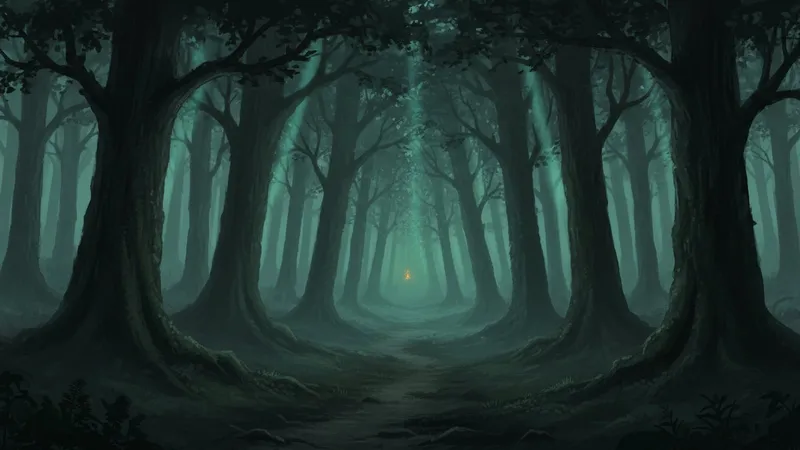
Cover painting for The Emberwood: a narrow path between towering trees, low mist lit by cool jade light, a faint ember glow deep in the forest.

Fantasy · 13+ · mild peril, enchantment

The Emberwood

A forest that remembers every promise made beneath its branches.

The Emberwood is an old forest with a long memory. Promises made under its branches are kept by the wood itself, and the narrator keeps them too: an oath sworn in an early scene is still binding when the story finds its ending. Expect enchantment rather than gore, peril rather than horror, and a world that answers what you say as carefully as what you do.
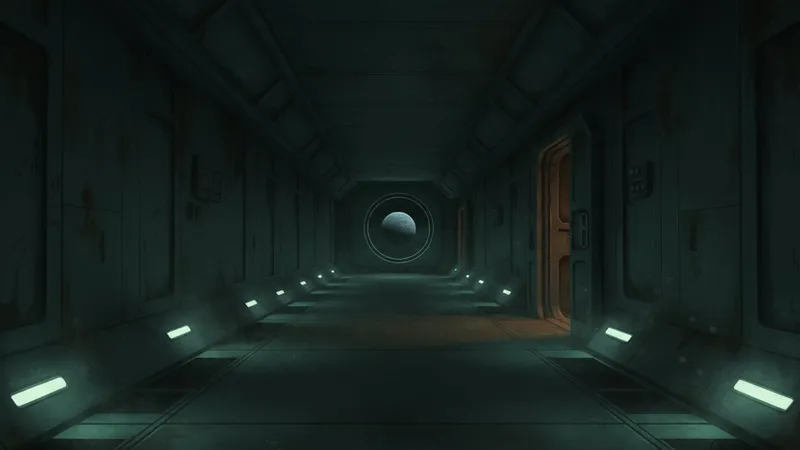
Cover painting for Ironreach Station: an empty corridor lit by pale green floor lights, a round porthole showing a dim planet, a door left half open.

Science fiction · 16+ · dread, isolation

Ironreach Station

You woke up alone on a station that should have a crew of four hundred.

Ironreach Station begins with an absence. Four hundred people should be aboard and none of them are, and the story is what you do about that. The tone is dread and isolation rather than action: the corridors are quiet, the systems half-answer, and every discovery is something the narrator will remember you found.

Worlds are content, not code: new ones are added without an app update.

Narrators

Three narrators, one memory

The narrator is the voice that writes each scene. All three read the same story memory, so switching narrators never loses a name or a promise; what changes is the depth of the prose and what it costs.

The Apprentice

Free every day.

Reads with you at no cost, up to a daily number of scenes. Quick, clear prose; the narrator a free reader never runs out of. When credits are gone, the Apprentice is always there, and so is a free closing scene.

The Chronicler

Richer scenes, uses credits.

Writes with more depth and a longer reach: subtler characters, more texture in a room, a better sense of what your earlier choices should cost you now.

The Oracle

The deepest narrator, uses credits.

The most capable narrator, for readers who want the story to surprise them. Slower to write, more willing to let a scene turn on something you said three chapters ago.

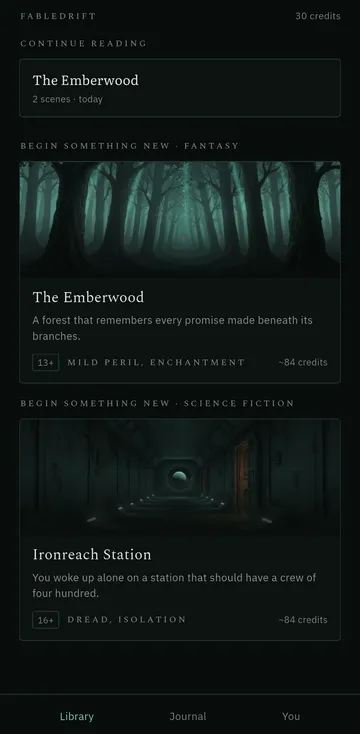
The Fabledrift library on a phone: a story in progress under Continue reading, then the two world covers with their genre, content rating and the cost of a full story shown once.
The shelf: cover, hook, content rating, and the price of a full story, shown once.

Cost is shown once, before a story starts, and never while reading. Retelling a scene and stepping back to an earlier one are free with every narrator. Read more about the decisions behind Fabledrift, or see how to write a good move.